

Confidential · 24/7 · HIPAA-Compliant 24/7 Helpline (XXX) XXX-XXXX
Home About Programs Insurance Providers Tools Admissions Contact Book Assessment
Valor Health Therapy Room
EMDR Therapy

EMDR — reprocessing what the mind could not file at the time.

Eye Movement Desensitization and Reprocessing is one of the most studied trauma therapies in the world. Endorsed by the WHO, APA and VA, EMDR helps the brain reprocess traumatic material so memories stop hijacking the present.

EMDR does not erase the memory. It changes how the memory lives in your body.

EMDRIA
Certified team
8
Phase protocol
6–12
Sessions typical
WHO
Endorsed
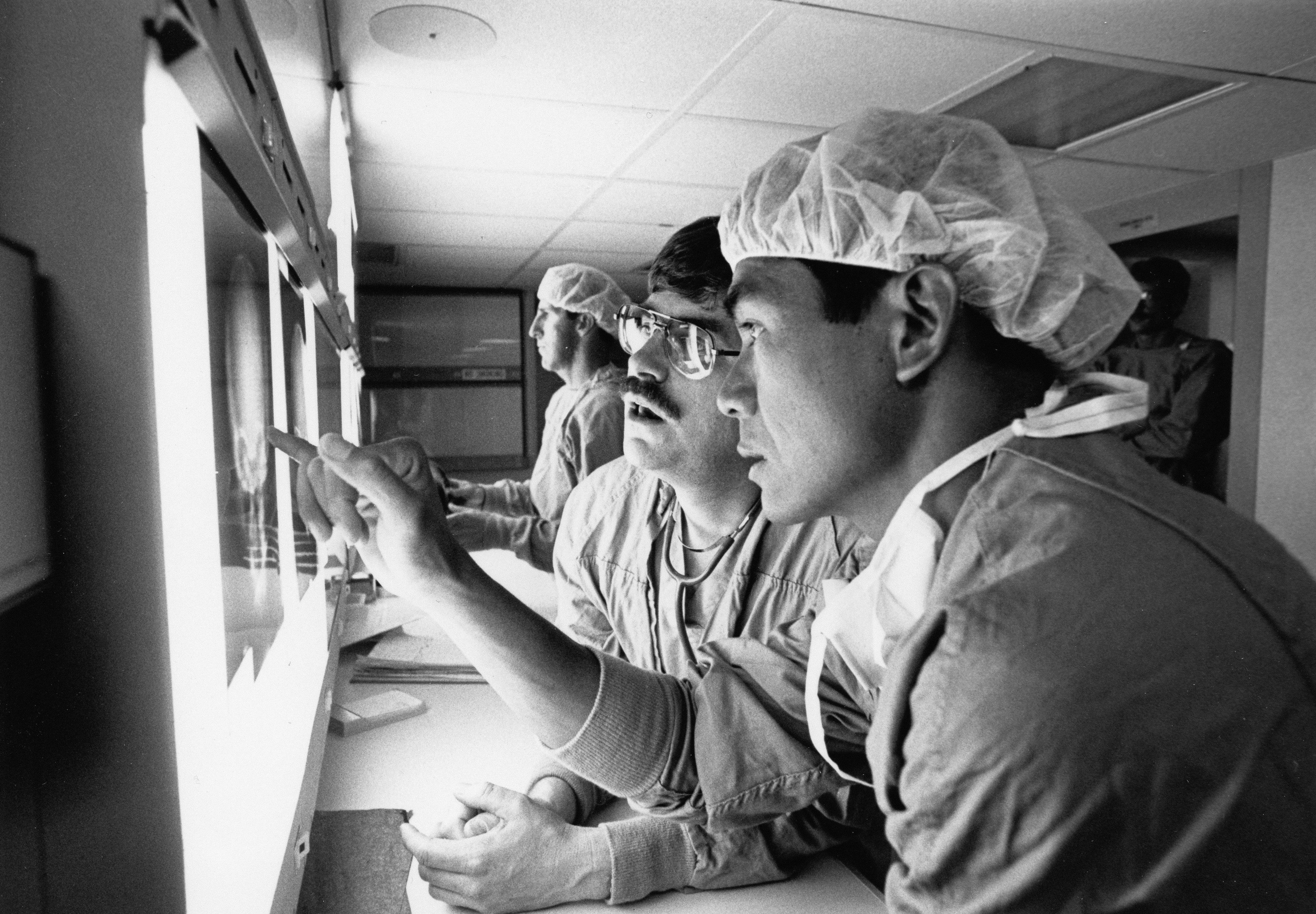
Clinical team member explaining EMDR process
Section 01

How EMDR works

Bilateral stimulation (eye movements, taps, or sounds) is used while patients briefly recall traumatic material. This allows the brain to integrate the memory using both hemispheres — completing the processing that was interrupted at the time of the trauma. Most patients describe the memory afterward as something that happened, rather than something that is happening.

  • Bilateral stimulation
  • Dual attention
  • Memory reprocessing
  • 8-phase protocol
Comfortable setting for trauma therapy
Section 02

What conditions EMDR treats

Originally developed for PTSD, EMDR is now used for complex trauma, anxiety, phobias, grief, performance anxiety, and the trauma roots of addiction. We use it across all our programs — residential, PHP, IOP — for patients who are clinically ready and want to engage in the work.

  • PTSD and C-PTSD
  • Phobias and panic
  • Grief and loss
  • Addiction-driving trauma
Integrating EMDR into addiction treatment
Section 03

EMDR for addiction

Many addiction patients have unprocessed trauma driving relapse. Specialized EMDR protocols for addiction (DeTUR, Feeling-State Addiction Protocol) target both the traumatic memories and the addictive urges directly. The combination of EMDR and substance use treatment often produces durable change that neither alone achieves.

  • DeTUR protocol
  • Feeling-State Addiction Protocol
  • Urge processing
  • Trauma + addiction integration
Establishing safety and pacing in therapy
Section 04

Pacing and safety

EMDR is powerful — which is why we never start with it. Patients first complete a stabilization phase (sleep, regulation skills, coping resources, co-occurring condition management) before any active reprocessing. We never push beyond what your nervous system can tolerate, and we always end sessions with grounding.

  • Stabilization phase first
  • Window-of-tolerance focused
  • Always resourced
  • Patient-paced throughout
Take the next step

Take the next step.

Confidential help, available 24 hours a day across South Carolina.