


Confidential · 24/7 · HIPAA-Compliant 24/7 Helpline (XXX) XXX-XXXX
Home About Programs Insurance Providers Tools Admissions Contact Book Assessment
Valor Health Opioid Detox Treatment
Opioid Detox

Opioid withdrawal is brutally hard — but it never has to be brutal.

Opioid withdrawal is rarely fatal — but it is famously, agonizingly difficult. Aches, nausea, anxiety, insomnia, restless legs, sweats, diarrhea. Valor Health uses modern Suboxone induction and comfort protocols that turn what was once a week of suffering into a safe, manageable transition.

If pain was the reason you started, the last thing you need is more pain on the way out.

24/7
Physician & RN
5–7
Days typical
Suboxone
First-line induction
Yes
Vivitrol bridge option
Comfortable setting for medical detox
Section 01

Opioid withdrawal timeline

Short-acting opioids (oxycodone, hydrocodone, heroin) produce withdrawal that begins 8–12 hours after the last dose, peaks at 36–72 hours, and largely resolves by day 5–7. Long-acting opioids (methadone, fentanyl patches, MS Contin) have a delayed onset (24–48 hours) and longer duration (10–14 days). Post-acute symptoms — low mood, sleep disturbance, cravings — can persist for weeks.

  • Onset: 8–12 hours (short-acting)
  • Peak: 36–72 hours
  • Resolution: 5–7 days acute
  • PAWS: weeks of low mood and sleep changes
Clinical team reviewing detox protocols
Section 02

Buprenorphine induction — the modern standard

Buprenorphine (Suboxone) eliminates withdrawal within 30–60 minutes of the first proper dose. We use either traditional induction (waiting for moderate withdrawal, then administering) or — for fentanyl users — micro-induction (starting with tiny doses while still using, gradually increasing). Either way, patients are typically comfortable within hours of the right dose being reached.

  • Traditional Suboxone induction
  • Micro-induction for fentanyl users
  • Sublocade (monthly injectable) option
  • No mandatory taper timeline
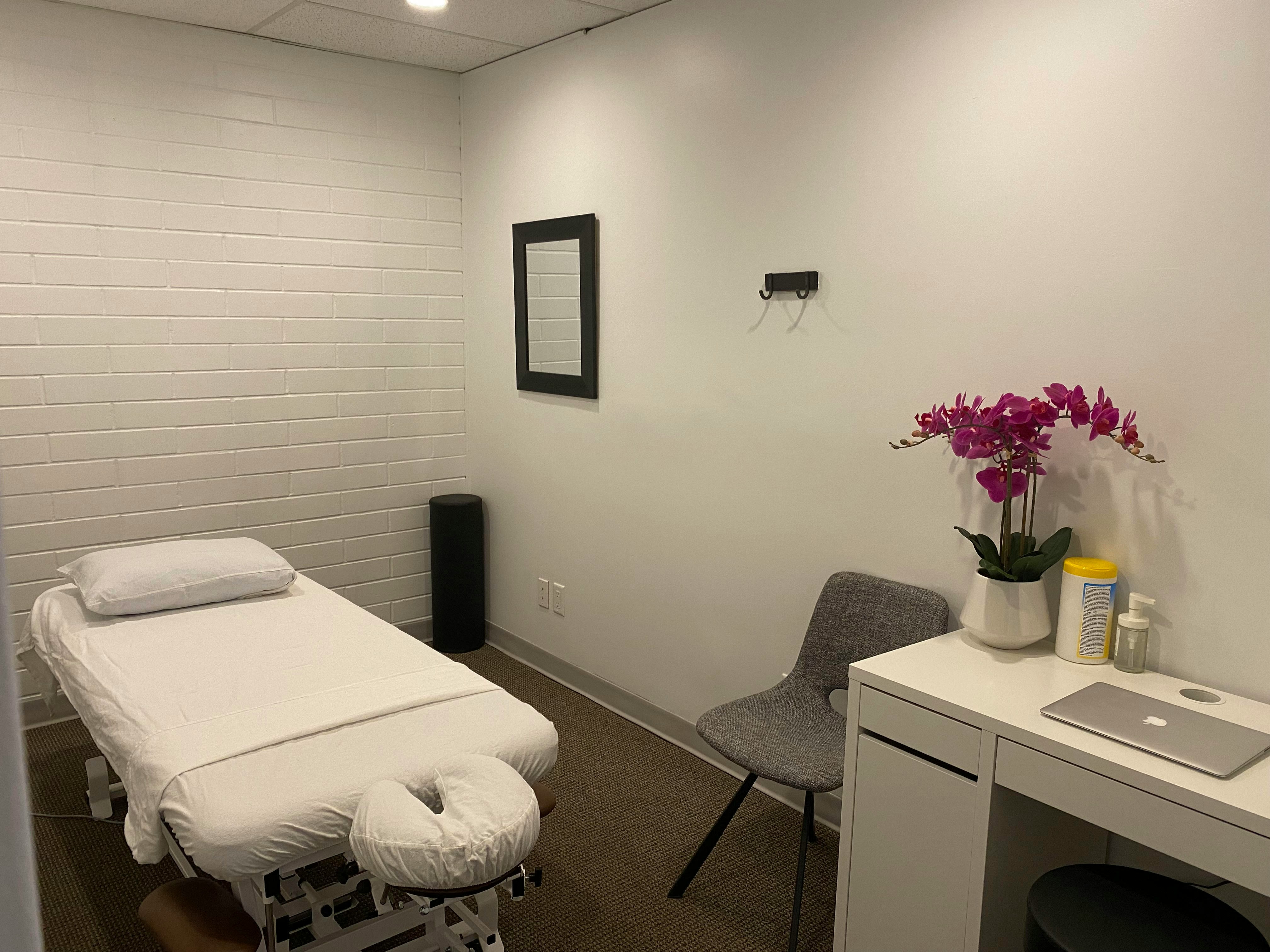
Comfortable private suite setting
Section 03

Comfort medications for non-opioid pathway

Some patients prefer to detox completely off opioids without buprenorphine — typically to bridge to Vivitrol or because of personal preference. For these patients we use a layered comfort protocol: clonidine for autonomic symptoms, gabapentin for pain and anxiety, hydroxyzine for sleep, anti-emetics for nausea, loperamide for diarrhea, and aggressive symptomatic care. It is harder than Suboxone — but absolutely possible with good medical support.

  • Clonidine for autonomic symptoms
  • Gabapentin for pain & anxiety
  • Anti-emetic & GI support
  • Sleep medications as needed
Medical consultation and ongoing care
Section 04

Vivitrol bridge for relapse prevention

Patients who complete a full opioid taper (typically 5–10 days) and pass a naloxone challenge are eligible for Vivitrol — a monthly injection of extended-release naltrexone that blocks opioid receptors entirely. If you use opioids while on Vivitrol, nothing happens. It is a powerful relapse-prevention tool, especially during the high-risk first 90 days after detox.

  • Monthly injection (lasts 28 days)
  • Blocks opioid effects completely
  • Non-opioid, non-controlled
  • Excellent post-detox safety net
Integrating dual-diagnosis care early in treatment
Section 05

Dual-diagnosis assessment during detox

We use the detox window to begin the diagnostic and therapeutic work that will continue in residential. Most opioid use disorder patients have an underlying pain condition, untreated depression or anxiety, trauma history, or all three. Our psychiatrists begin assessment in detox so the treatment plan is genuinely personalized by the time you step down.

  • Chronic pain management strategy
  • Depression & anxiety screening
  • Trauma history assessment
  • Medication plan personalized
Step-down to residential and ongoing care
Section 06

Step-down and long-term recovery

From detox you step down into residential, PHP, or IOP — with continued MAT, individual therapy, group therapy, and family work. Patients who combine MAT with comprehensive psychosocial treatment have dramatically better one-year outcomes than those who try to recover with medication or therapy alone.

  • Continued MAT through step-down
  • Trauma-focused therapy
  • Family integration
  • Alumni community for long-term support
Take the next step

Take the next step.

Confidential help, available 24 hours a day across South Carolina.