
Confidential · 24/7 · HIPAA-Compliant 24/7 Helpline (XXX) XXX-XXXX
Home About Programs Insurance Providers Tools Admissions Contact Book Assessment
Valor Health Alcohol Detox Treatment
Alcohol Detox

Alcohol withdrawal is medically dangerous — and entirely treatable.

Of every substance someone can become dependent on, alcohol is the most dangerous to detox from without medical care. Seizures, delirium tremens and dangerous blood pressure changes can occur within hours. Valor Health offers safe, comfortable, medically supervised alcohol detox in private suites — with seamless step-down to real treatment.

Do not detox from alcohol alone. The risks are real — and entirely preventable with proper medical care.

24/7
Physician & RN
5–7
Days typical stay
0
Untreated DTs goal
100%
Private rooms
Comfortable setting for medical detox
Section 01

Why alcohol withdrawal is dangerous

Heavy chronic alcohol use causes the brain to upregulate excitatory neurotransmission to balance alcohol's depressant effect. When alcohol is suddenly removed, that excitatory system has no counterweight — producing tremor, anxiety, racing heart, dangerously high blood pressure, and in moderate-to-severe cases, withdrawal seizures and delirium tremens. DTs carry a mortality rate of 1–5% even with treatment, and substantially higher without.

  • Tremor, sweats, tachycardia within 6–12 hours
  • Seizure risk peaks at 24–48 hours
  • Delirium tremens onset at 48–96 hours
  • Untreated DT mortality can exceed 15%

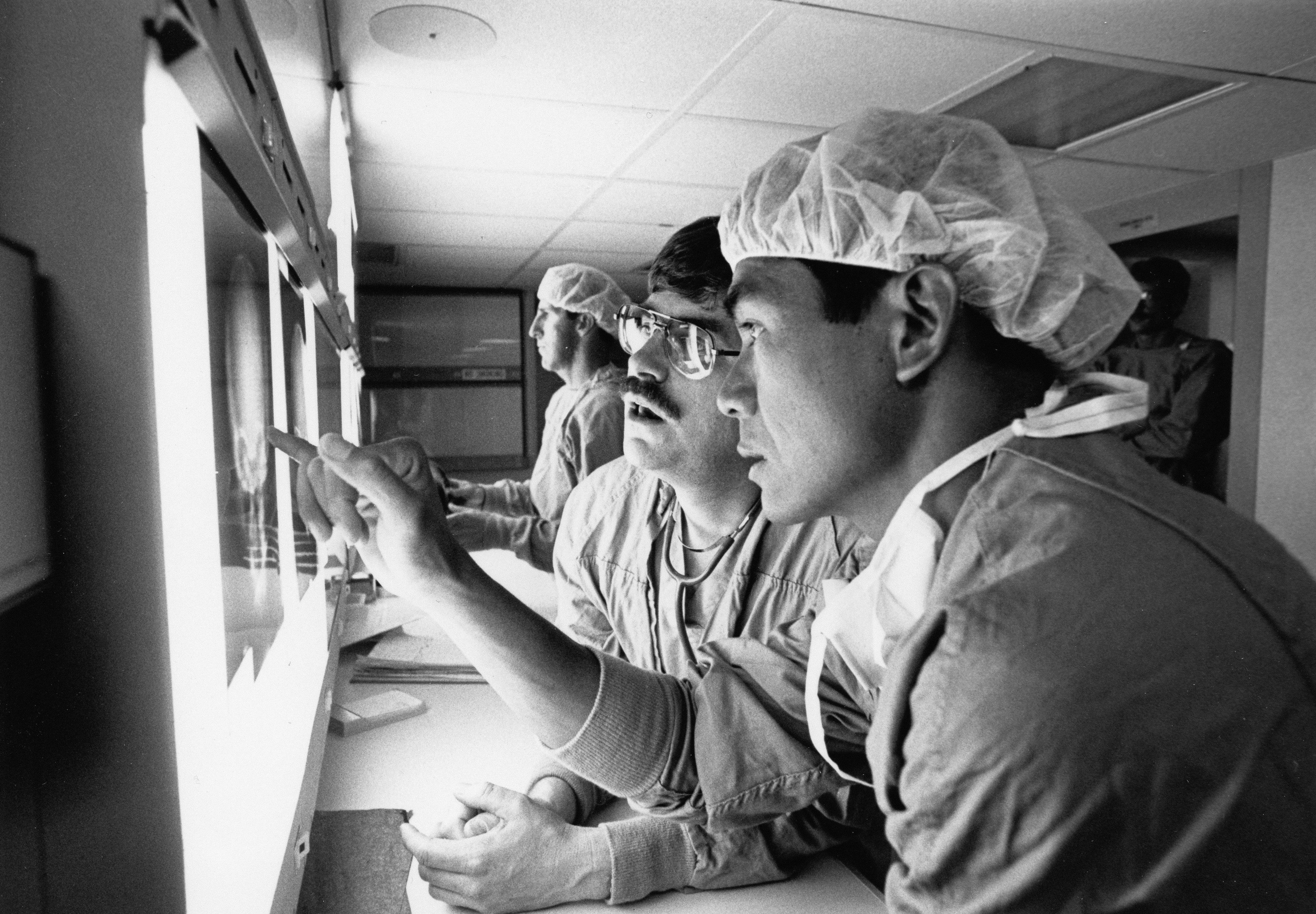
Clinical team reviewing detox protocols
Section 02

Our alcohol detox protocol

We use evidence-based, ASAM-aligned protocols. Most patients receive a benzodiazepine taper (typically chlordiazepoxide or diazepam) with symptom-triggered dosing using the CIWA scale. For patients with high tolerance, prior DTs, or seizure history, we use phenobarbital protocols — often more comfortable and predictable. All patients receive thiamine, folate, B-vitamins, magnesium, IV fluids as needed, and round-the-clock RN coverage.

  • CIWA-Ar symptom-triggered dosing
  • Benzodiazepine or phenobarbital taper
  • Thiamine before any glucose (Wernicke prevention)
  • Magnesium, folate, B-complex repletion
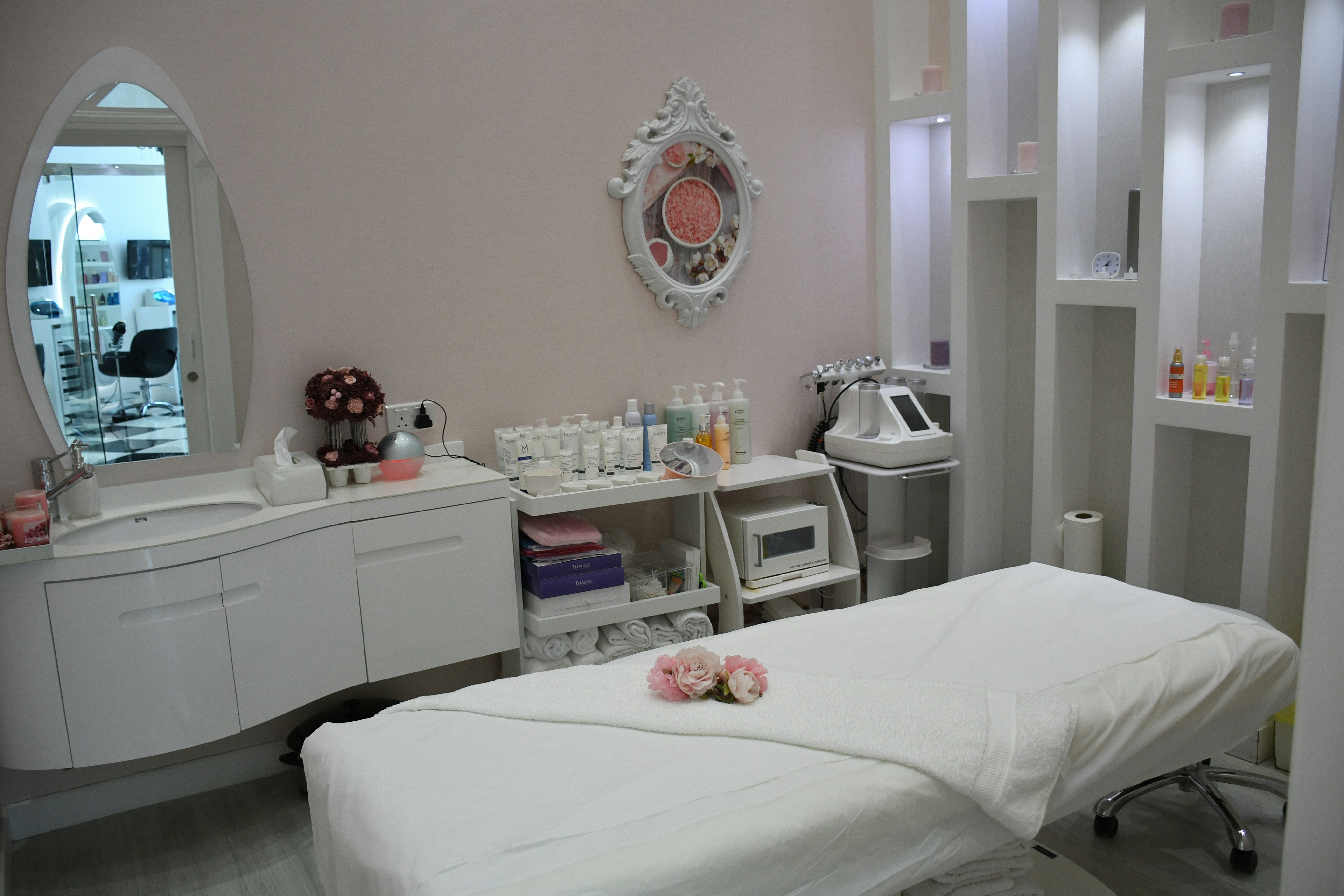
Comfortable private suite setting
Section 03

What it actually feels like

Most patients arrive anxious and exhausted. Within the first few hours of treatment, the trembling, sweating and racing thoughts begin to ease. By day two, patients are typically eating again, sleeping intermittently, and resting in their private suite. By day four or five most acute withdrawal symptoms have resolved. We never minimize the experience — but we ensure it is safe, supported, and finite.

  • Symptom relief within hours of admission
  • Private suite with hotel-grade linens
  • Gourmet nutrition tailored for early recovery
  • Quiet hours and gentle movement available
Medical consultation and ongoing care
Section 04

Beyond the physical: post-acute withdrawal

Acute withdrawal resolves in days. Post-acute withdrawal syndrome (PAWS) — disrupted sleep, mood swings, anxiety, low motivation, cognitive fog — can persist for weeks or months. We begin medications that address PAWS during detox: acamprosate for brain recovery, naltrexone or Vivitrol to reduce craving, sleep support, and the nutritional foundation that helps the brain heal.

  • Acamprosate started in early detox
  • Naltrexone / Vivitrol option
  • Sleep architecture restoration
  • Nutritional & exercise medicine

Medication-Assisted Treatment evaluation
Section 05

Medication-Assisted Treatment for alcohol

Alcohol use disorder has three FDA-approved medications, all underused in standard care. Naltrexone (oral or monthly Vivitrol injection) reduces reward and craving. Acamprosate supports brain recovery during the first 6–12 months. Disulfiram (Antabuse) makes drinking physically aversive — a powerful relapse-prevention tool. We discuss all three with every alcohol detox patient.

  • Vivitrol (monthly injection)
  • Naltrexone (daily oral)
  • Acamprosate (Campral)
  • Disulfiram (Antabuse)
Step-down to residential and ongoing care
Section 06

Step-down to real recovery work

Detox by itself is not treatment — it is the doorway. From your detox suite you step down into residential treatment, PHP, or IOP with the same clinical team, the same campus, the same care. Most patients begin individual therapy in their first week and family work in their second. Detox is the beginning of recovery, not the end of treatment.

  • Same-team handoff to residential
  • Trauma and dual-diagnosis evaluation
  • Family programming begins early
  • Aftercare planning from day one
Take the next step

Take the next step.

Confidential help, available 24 hours a day across South Carolina.