
Confidential · 24/7 · HIPAA-Compliant 24/7 Helpline (XXX) XXX-XXXX
Home About Programs Insurance Providers Tools Admissions Contact Book Assessment
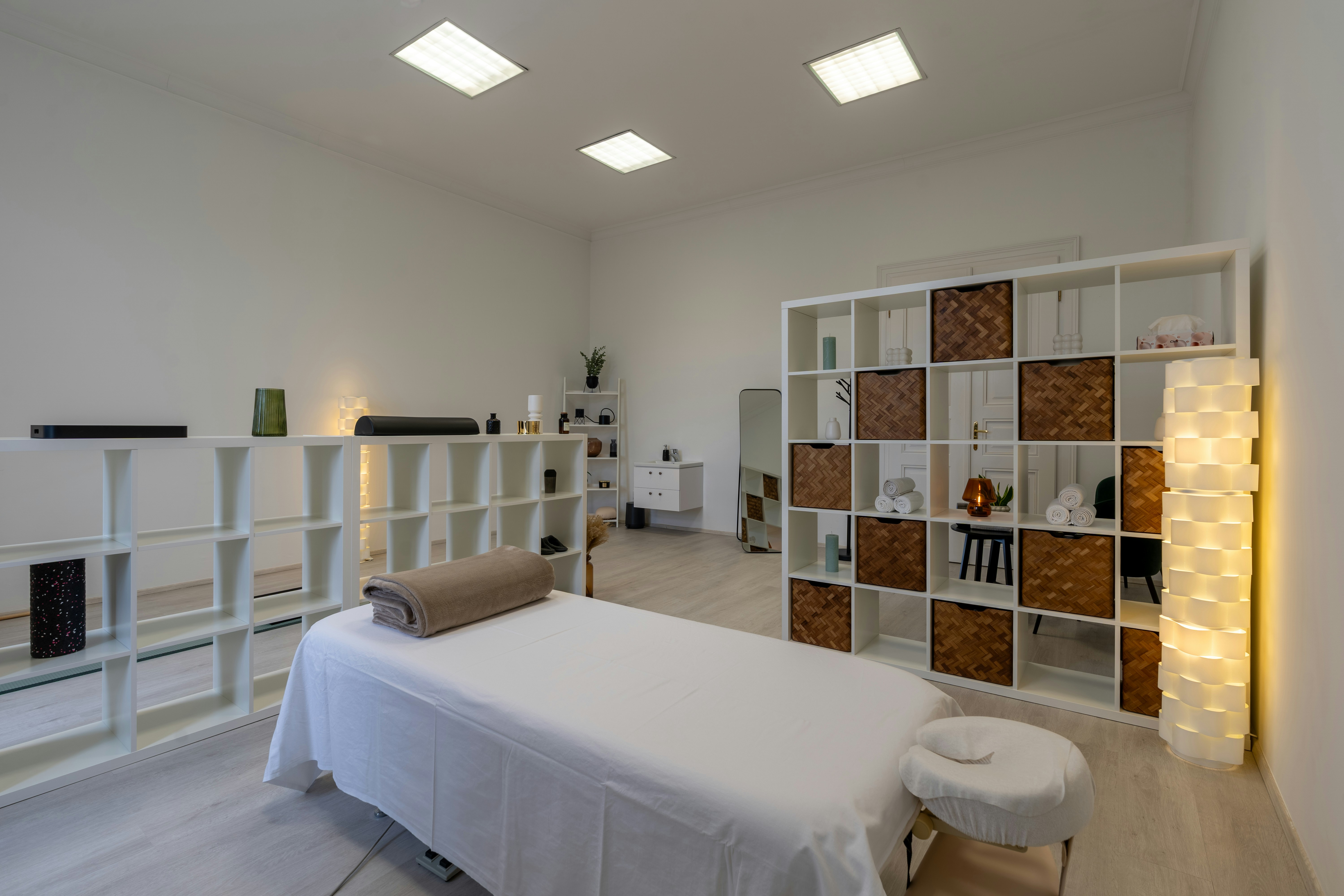
Valor Health dual diagnosis treatment space
Dual Diagnosis

When mental health and addiction live together — treat them together.

The majority of people who struggle with substance use also struggle with depression, anxiety, PTSD, bipolar disorder, OCD, or unprocessed trauma. Treating addiction in isolation leaves the engine of relapse intact. Valor Health treats both — in one integrated program, with one integrated team.

More than 60% of our patients carry a co-occurring mental health diagnosis. Treating one without the other is treating neither.

60%+
Patients dual-diagnosis
Daily
Psychiatric availability
EMDR
Trauma-certified team
MAT
Full FDA spectrum
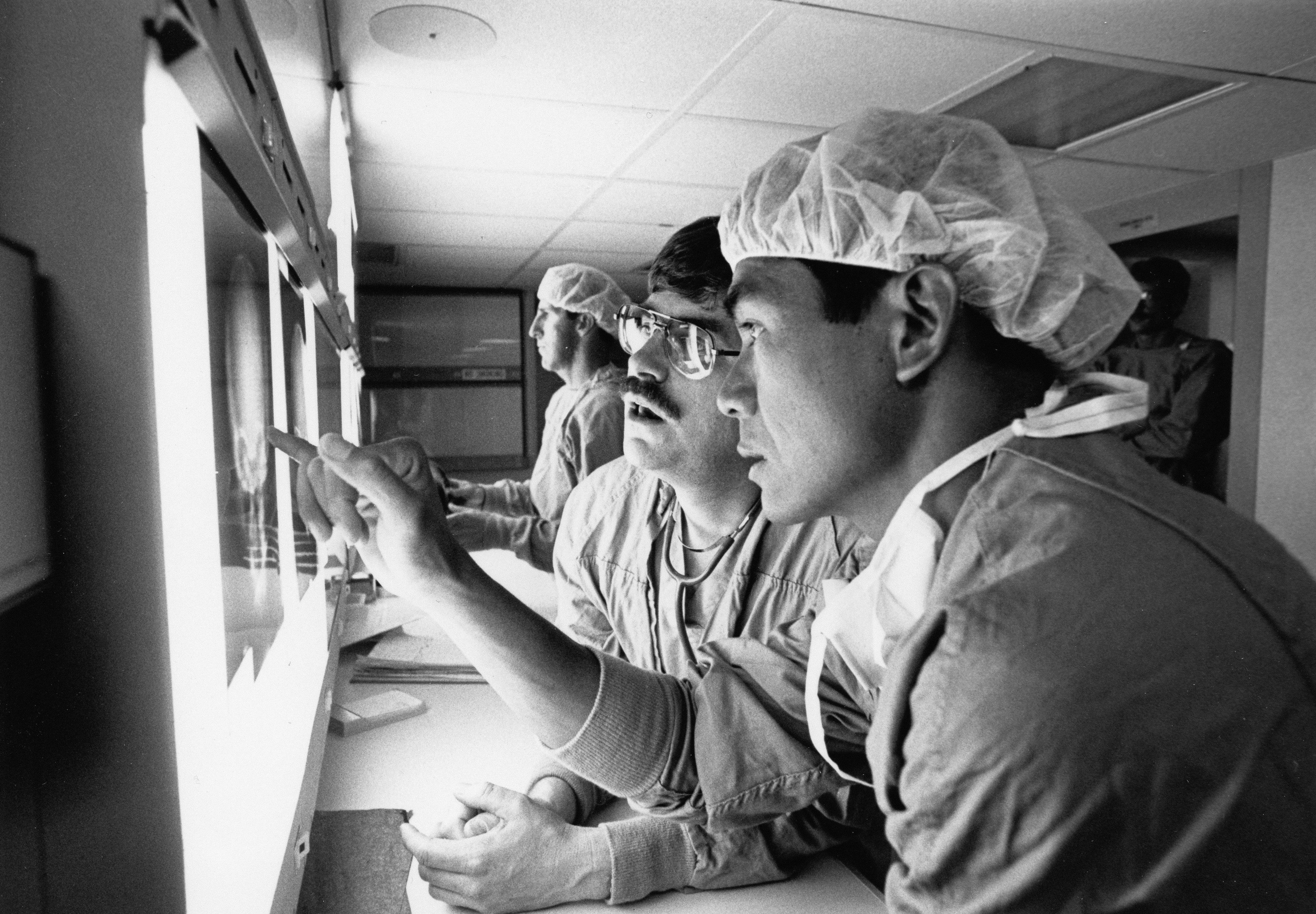
Integrated clinical team meeting
Section 01

What 'integrated' actually means

Many programs claim to treat dual diagnosis. Often what they mean is: addiction counselors run the addiction program, a contracted psychiatrist comes in once a week, and the two teams rarely speak. At Valor Health, your psychiatrist, primary therapist, addiction counselor and case manager meet about you every week. Treatment decisions — medication, modality, length of stay, family work — are made by one team, with one plan, around one person.

  • Weekly integrated case conferences
  • Single unified treatment plan
  • Psychiatry embedded in daily care
  • No siloed addiction vs mental health teams
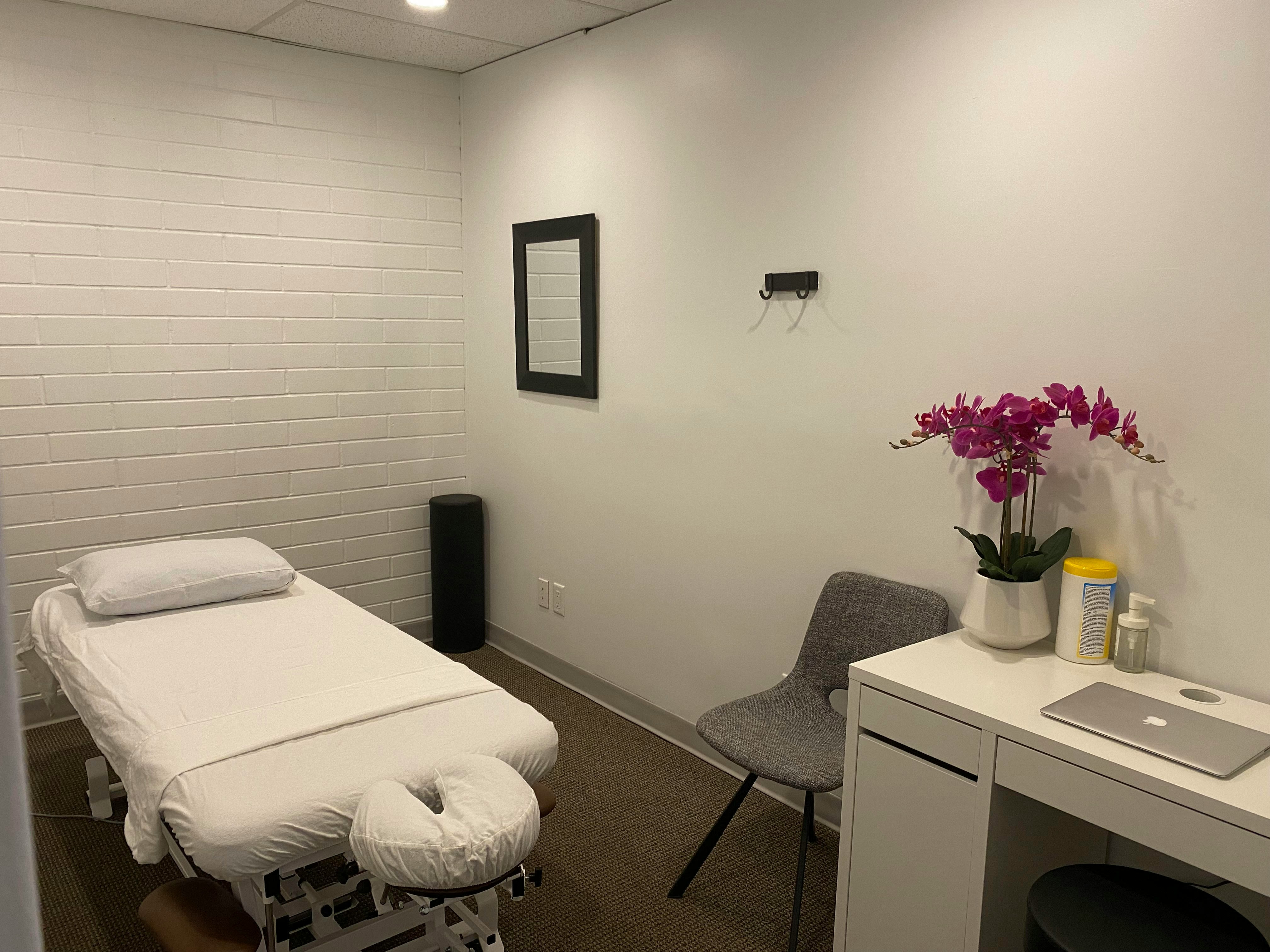
Comfortable setting for mental health treatment
Section 02

Depression & substance use

Many patients have been self-medicating depression for years before they recognized it. We use a combination of evidence-based therapy (CBT, behavioral activation, IPT), psychiatric medication management, lifestyle medicine (sleep, light, movement, nutrition), and — for the right patients — referrals for advanced treatments like TMS or ketamine when standard approaches have failed.

  • Comprehensive psychiatric assessment
  • Antidepressant optimization
  • Behavioral activation & CBT
  • TMS / ketamine referral when appropriate
Anxiety and addiction treatment
Section 03

Anxiety & substance use

Alcohol, benzodiazepines and opioids are often used to quiet untreated anxiety. We do the harder, more durable work: teach skills (CBT, ACT, somatic regulation), use non-addictive medications when needed (SSRIs, buspirone, gabapentin, hydroxyzine, beta-blockers), and address the lifestyle drivers — sleep, caffeine, screen use — that fuel anxiety underneath everything else.

  • Non-benzodiazepine medication plans
  • CBT, ACT, exposure work
  • Somatic regulation skills
  • Sleep & lifestyle medicine
Trauma-informed care setting
Section 04

PTSD, trauma & addiction

Trauma is the most common engine of addiction we see. Our clinicians are EMDR-certified and trained in trauma-focused CBT, Somatic Experiencing, and Internal Family Systems. We never push patients into trauma processing before they are stabilized — but we never avoid the work either. Real recovery often requires real trauma healing.

  • EMDR for single-incident and complex trauma
  • Internal Family Systems (IFS)
  • Somatic Experiencing
  • Trauma-stabilization before processing
Psychiatric consultation and care
Section 05

Bipolar, ADHD & OCD

Less common but powerfully relevant: bipolar disorder, ADHD and OCD all drive addiction risk in specific ways. We diagnose carefully (not every mood swing is bipolar; not every focus problem is ADHD), use the right medications, and teach the specific therapy modalities that work — ERP for OCD, behavioral structure for ADHD, mood-stabilizer optimization and psychoeducation for bipolar.

  • Bipolar I/II mood stabilization
  • Adult ADHD assessment & non-stimulant options
  • OCD: Exposure & Response Prevention (ERP)
  • Psychoeducation for patient and family
Family therapy session in dual diagnosis treatment
Section 06

Family work matters even more in dual diagnosis

Families of dual-diagnosis patients often carry years of confusion — was it addiction, was it mental illness, was it personality, was it choice? Our family programming helps loved ones understand the actual diagnoses, the actual treatments, and the patterns they may have developed around them. Education plus therapy plus community gives families a real path forward.

  • Diagnostic & treatment education
  • Weekly family therapy
  • Multi-family group
  • Long-term family support community
Take the next step

Take the next step.

Confidential help, available 24 hours a day across South Carolina.